

Hey there, fellow makers and machinists! If you’re diving into the world of lathe machines for the first time, or even if you’re a seasoned pro looking to upgrade, I totally get it-choosing the right tool can feel overwhelming. Lathe machines are incredible for shaping metal, wood, or plastic into precise forms, but with so many options out there, it’s easy to feel lost. Don’t worry; I’m here to guide you through it all with a warm, reassuring hand. We’ll break down the types of lathe machines-focusing on heavy, medium, light, and mini varieties-and walk you step by step on how to pick the perfect one for your needs. By the end, you’ll feel confident and ready to make that decision. Let’s get started!
Understanding Lathe Machines: A Quick Primer
Before we jump into the types, let’s make sure we’re on the same page. A lathe machine is essentially a tool that rotates a workpiece on its axis while you use cutting tools to shape it. Think of it as a potter’s wheel for metal or wood-it’s all about precision and control. Lathe machines come in various sizes and capabilities, designed for different tasks, from massive industrial projects to small hobbyist work. The key is matching the machine to your projects, budget, and space. As an expert in machining, I can tell you that the right lathe isn’t just about power; it’s about how it fits into your workflow and brings out your creativity.
Now, let’s explore the main types of lathe machines. We’ll categorize them by duty level: heavy, medium, light, and mini. Each has its strengths, and understanding them will help you see which one aligns with your goals.
Heavy Duty Lathe Machines
Heavy duty lathe machines are the giants of the workshop. These beasts are built for industrial-scale operations, handling massive workpieces with ease. Typically, they have swing capacities over 24 inches and can weigh thousands of pounds. Imagine turning large shafts for machinery or crafting oversized components for aerospace- that’s where heavy-duty lathes shine.
What makes them stand out? Their robust construction, often with cast iron beds for stability, and powerful motors that can deliver high torque. They’re equipped with advanced features like variable speed controls, digital readouts, and sometimes CNC integration for automated precision. However, they’re not for everyone; they require significant space, a sturdy foundation, and a hefty investment-often starting at $10,000 or more.
If you’re running a professional shop or tackling large-scale projects, a heavy-duty lathe is your go-to. It’s reassuring to know that these machines are designed to last decades, providing the reliability you need for demanding work. Just remember, they’re not ideal for beginners or small spaces-think of them as the heavy lifters that demand respect and preparation.
Medium Duty Lathe Machines
Stepping down a notch, medium duty lathe machines offer a balanced mix of power and versatility. With swing capacities ranging from 12 to 24 inches, they’re perfect for a wide range of applications, from automotive repairs to furniture making. These machines are more accessible than their heavy counterparts, often weighing a few hundred pounds and fitting into standard workshops.
Medium duty lathes feature solid builds with good motor power (around 1-3 HP) and features like quick-change tool posts for efficiency. They’re great for turning medium-sized parts, such as engine components or wooden bowls, and many include variable speeds to handle different materials. Priced between $2,000 and $8,000, they’re a smart choice for small businesses or serious hobbyists.
I love recommending medium duty lathes because they strike that sweet spot-powerful enough for professional work but manageable for most users. If you’re expanding your skills or starting a side hustle, this type provides the confidence to take on diverse projects without overwhelming your setup.
Light Duty Lathe Machines
For those just starting out or working on smaller projects, light duty lathe machines are a gentle introduction to machining. These compact tools have swing capacities under 12 inches and are designed for precision work on lighter materials like plastics, small metals, or wood. They’re often benchtop models, making them easy to set up in a garage or home workshop.
Light duty lathes prioritize ease of use with features like simple speed controls and basic tool holders. They’re affordable, typically ranging from $500 to $2,000, and ideal for hobbies such as model making, jewellery crafting, or prototyping. While they lack the brute force of larger machines, their precision and portability make them incredibly user-friendly.
If you’re feeling hesitant about jumping into machining, a light duty lathe is reassuring-it’s forgiving for beginners and grows with your skills. Just pair it with proper safety gear, and you’ll be turning out beautiful pieces in no time.
Mini Lathe Machines
At the smallest end of the spectrum, mini lathe machines are the pint-sized powerhouses for ultra-compact work. With swing capacities under 8 inches, these are perfect for tiny projects like watch parts, small tools, or educational models. Often powered by small motors (under 1 HP), they’re lightweight, portable, and budget-friendly, starting at around $200.
Mini lathes are great for hobbyists, students, or anyone with limited space. They come with basic features but can handle delicate tasks with surprising accuracy. However, they’re not suited for heavy materials or large workpieces-think of them as the entry-level gateway to the world of lathes.
These machines are especially empathetic for newcomers; they’re low-commitment and allow you to experiment without a big investment. If you’re teaching yourself or exploring machining as a fun outlet, a mini lathe can build your confidence step by step.
How to Choose the Right Lathe Machine
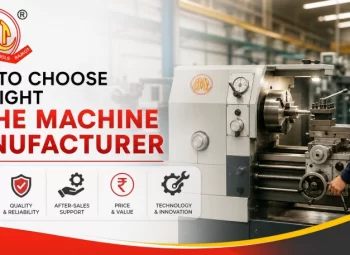
Now that we’ve covered the types, let’s talk about selecting the one that’s right for you. Choosing a lathe machine isn’t just about picking the biggest or cheapest option-it’s about aligning it with your needs, skills, and resources. As an authoritative guide, I’ll walk you through key factors to consider, making the process clear and structured.
Assess Your Projects and Materials
First, think about what you’ll be machining. Heavy duty lathes are for large, tough materials like steel or iron, while mini ones suit soft plastics or small woods. If your projects vary, a medium duty machine offers flexibility. Ask yourself: What size workpieces will I handle most? This insight will point you toward the right type.
Consider Space and Setup
Space is crucial. Heavy duty lathes need industrial floors and ventilation, whereas mini lathes fit on a desk. Measure your workspace and ensure the machine’s footprint matches. Also, factor in power requirements-some need 220V outlets, so check your setup.
Evaluate Power and Features
Power determines what you can do. Look for horsepower, speed ranges, and features like digital displays or CNC capabilities. For beginners, start with simpler models; experts might want advanced tech. Remember, more features mean higher costs, so prioritize based on your skill level.
Budget and Long-Term Value
Lathe machines are an investment, so set a realistic budget. Entry-level mini lathes are under $500, while heavy duty ones can exceed $20,000. Consider resale value and durability-quality brands like those from Grizzly or Jet offer warranties and support. Don’t skimp on safety features; a good machine should include guards and emergency stops.
Skill Level and Learning Curve
If you’re new, opt for user-friendly models with manuals or online tutorials. Light or mini lathes are forgiving for learning. As you gain experience, you can upgrade. Seek out communities or courses for guidance-machining is a journey, and it’s okay to start small.
Test and Research
Before buying, read reviews, watch demos, and if possible, try machines at stores or shows. Brands matter; reputable ones ensure quality. Also, think about accessories like chucks or tool sets-they enhance functionality.
There you have it-a comprehensive guide to types of lathe machines and how to choose the right one. Whether you’re eyeing a heavy-duty beast for industrial might or a mini lathe for creative tinkering, remember that the best machine is the one that matches your passion and practicality. I’m confident that with this knowledge, you’ll make an informed choice that sparks joy in your projects.
If you’re still unsure, start with a light or mini lathe to build your skills-it’s a reassuring way to ease in. Machining is about precision, creativity, and growth, and the right lathe will empower you every step of the way. Got questions? Feel free to reach out or dive deeper into reviews. Happy machining!